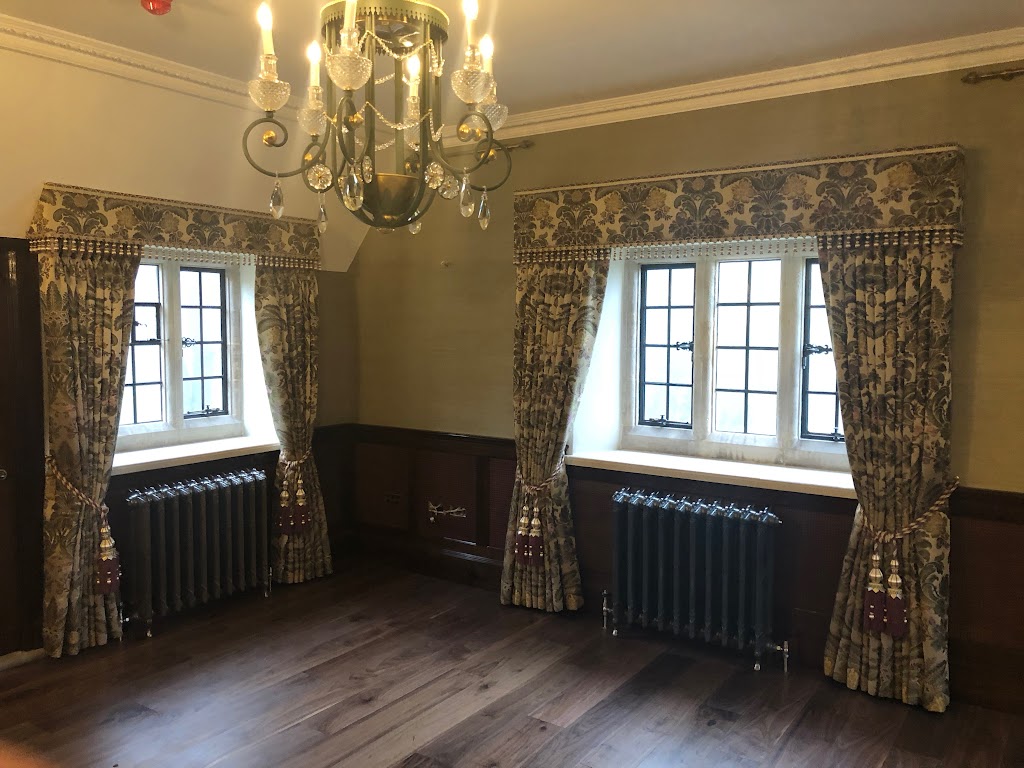
Working in a period or listed home is a privilege and a responsibility. The joinery has to feel as though it has always been there, while quietly meeting modern expectations. Here is how we approach it.
Match the house, not the catalogue
Period homes have their own grammar — the depth of a skirting, the profile of an architrave, the proportions of a panelled door. We take details from what already exists and carry them through new work, so a fitted bookcase or a replacement window reads as part of the original fabric rather than an addition.
Know where consent is needed
In a listed building, even seemingly minor changes to joinery can require listed building consent, and conservation areas bring their own controls. We are happy to make to match approved details, but the consents themselves are a matter for you and your architect or conservation officer. It is always worth confirming before work begins — this is general guidance, not formal advice.
Marrying old and new
Sympathetic does not mean frozen. Concealed storage, discreet AV, better-performing windows and improved insulation can all be achieved within a traditional appearance. The craft lies in hiding the modern parts inside convincing period detail.
Built to last another century
We select stable timber, match grain and mouldings, and finish to a standard that will age gracefully. Good joinery in an old house should outlive all of us.
See sympathetic work in period and country homes across our case studies, or talk to us about your project.