
Bespoke window manufacturer from Reeve & Co — handmade in our Suffolk workshop for high-end homes across London, the Home Counties and East Anglia.
Box sash, casement, mullion, gothic — hand-made in Suffolk.
Bespoke Windows
Windows that look right on a period building.
Windows that look right on a period building.
We build sash and casement windows to listed-building specification, double-glazed where allowed and slim-light where it isn’t. Solid timber frames, brass furniture, draught seals, traditional glazing bars. Approved by conservation officers across the UK.
Box sash, side-hung casement, oak mullion, gothic, oriel and bay windows. New-build or restoration. Drawn from photos and surveys, fitted by our site team.
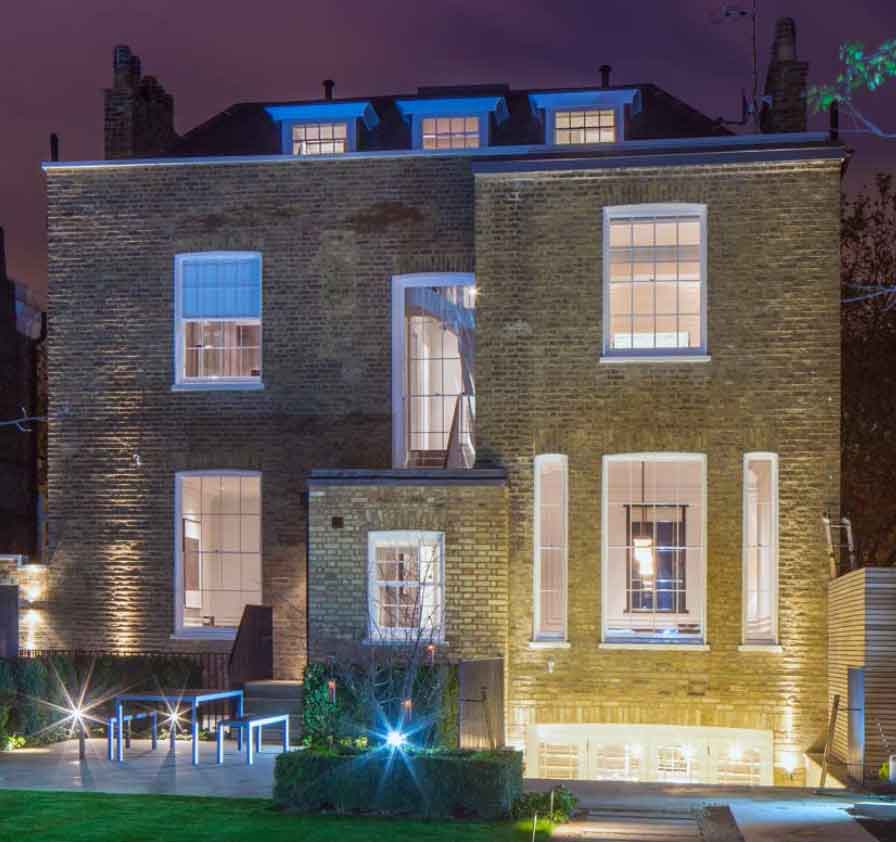
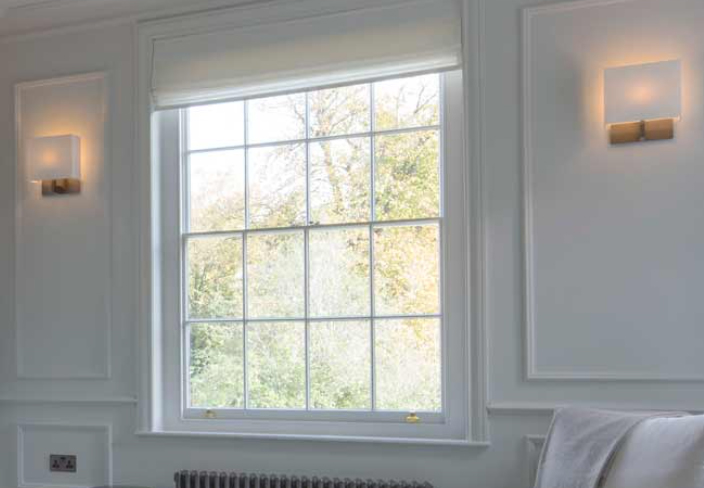
Box sash windows
Pulleys, weights and cords — or modern spiral balances. Single, double or slim-light glazing. Painted or stained timber.
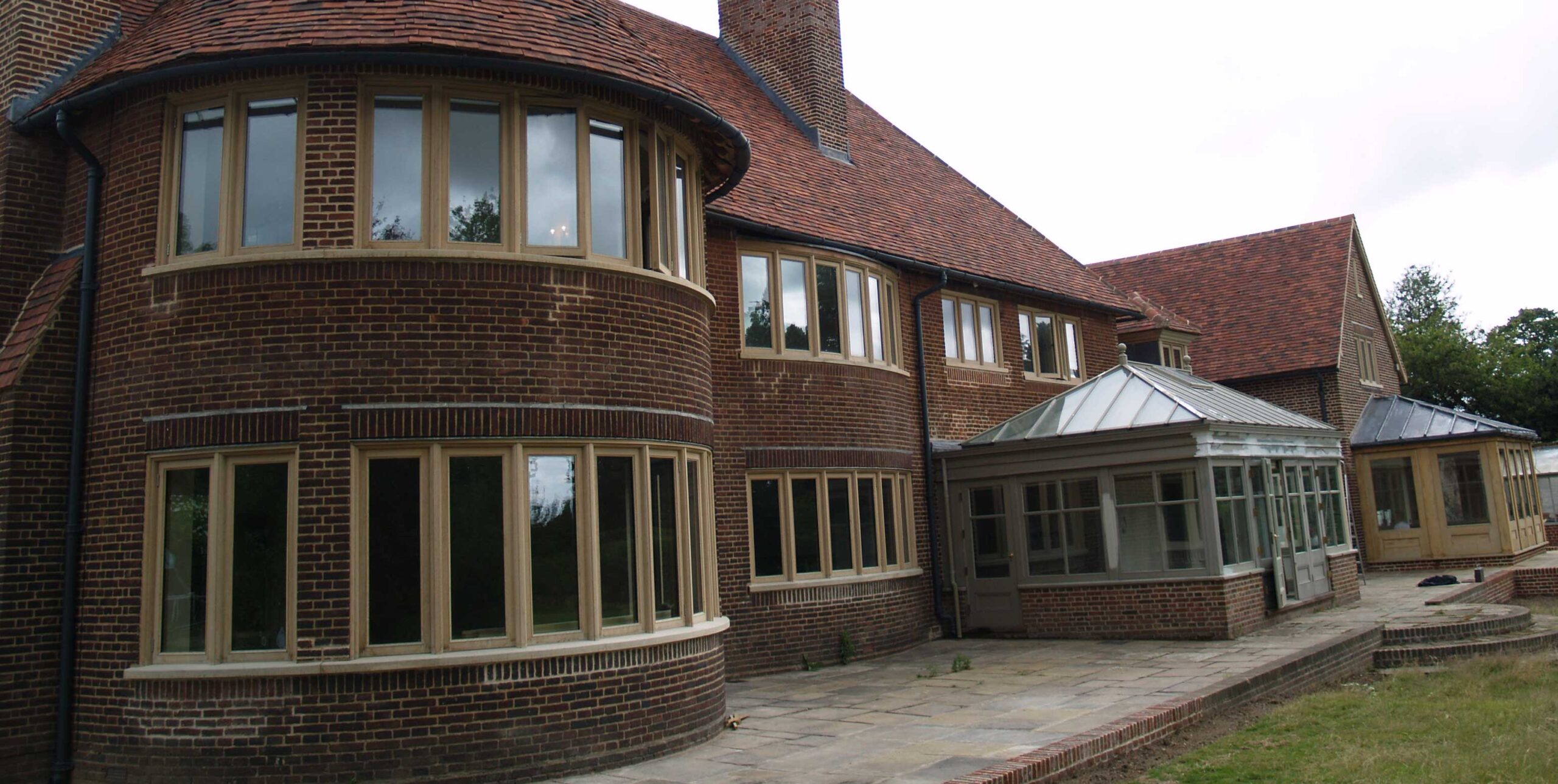
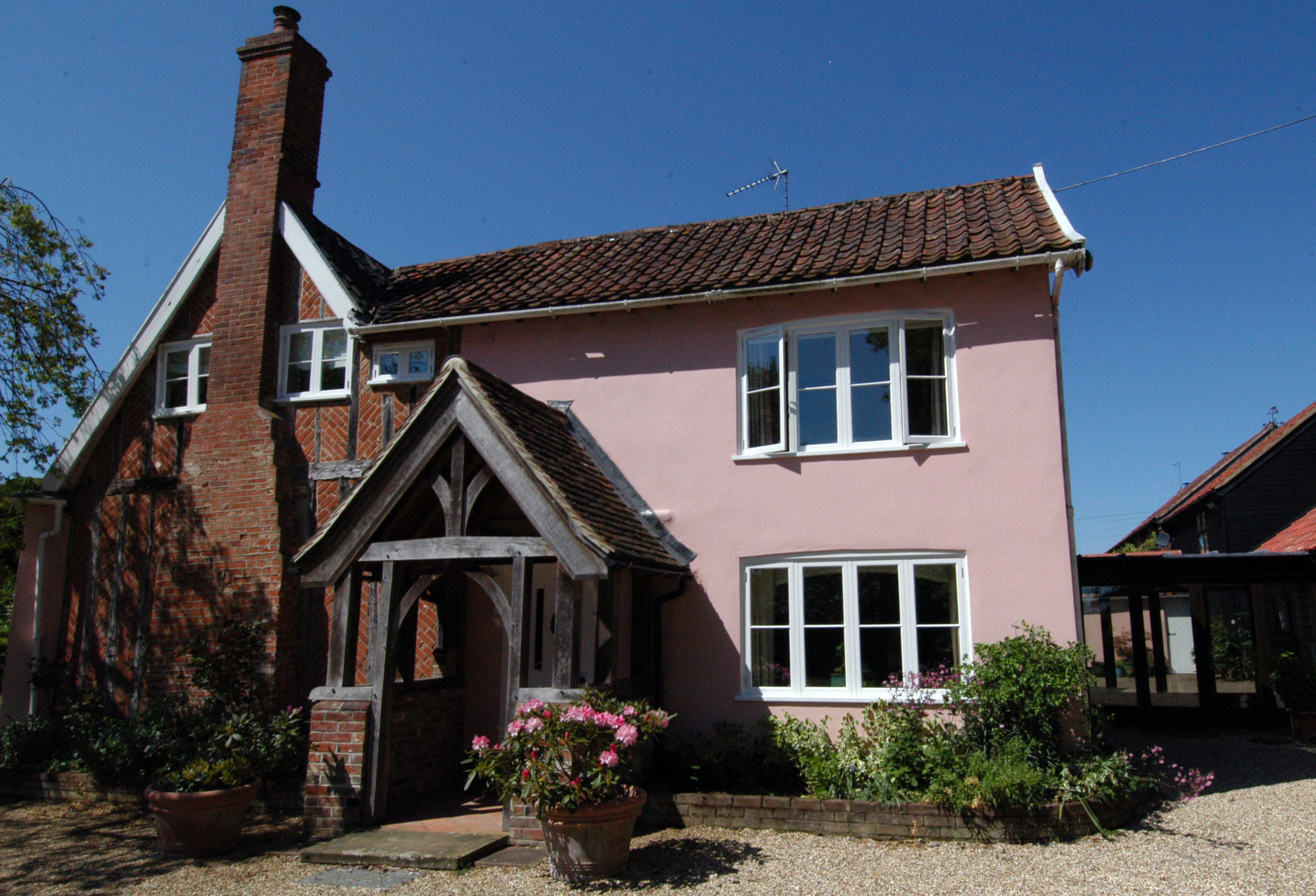
Casement windows
Side-hung, top-hung, fixed lights. Mortice-and-tenon construction, draught-stripped, brass espagnolette furniture.
Oak mullion & gothic
Period replicas in solid oak, with leaded or stained glass. Cut from our timber stock and finished by hand.
Recent windows


You may also like
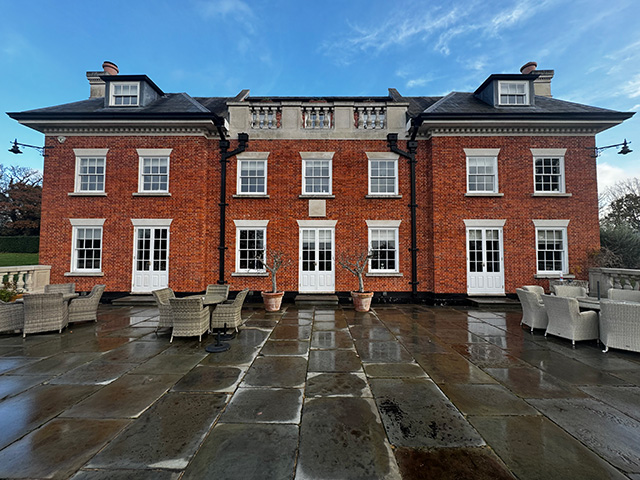
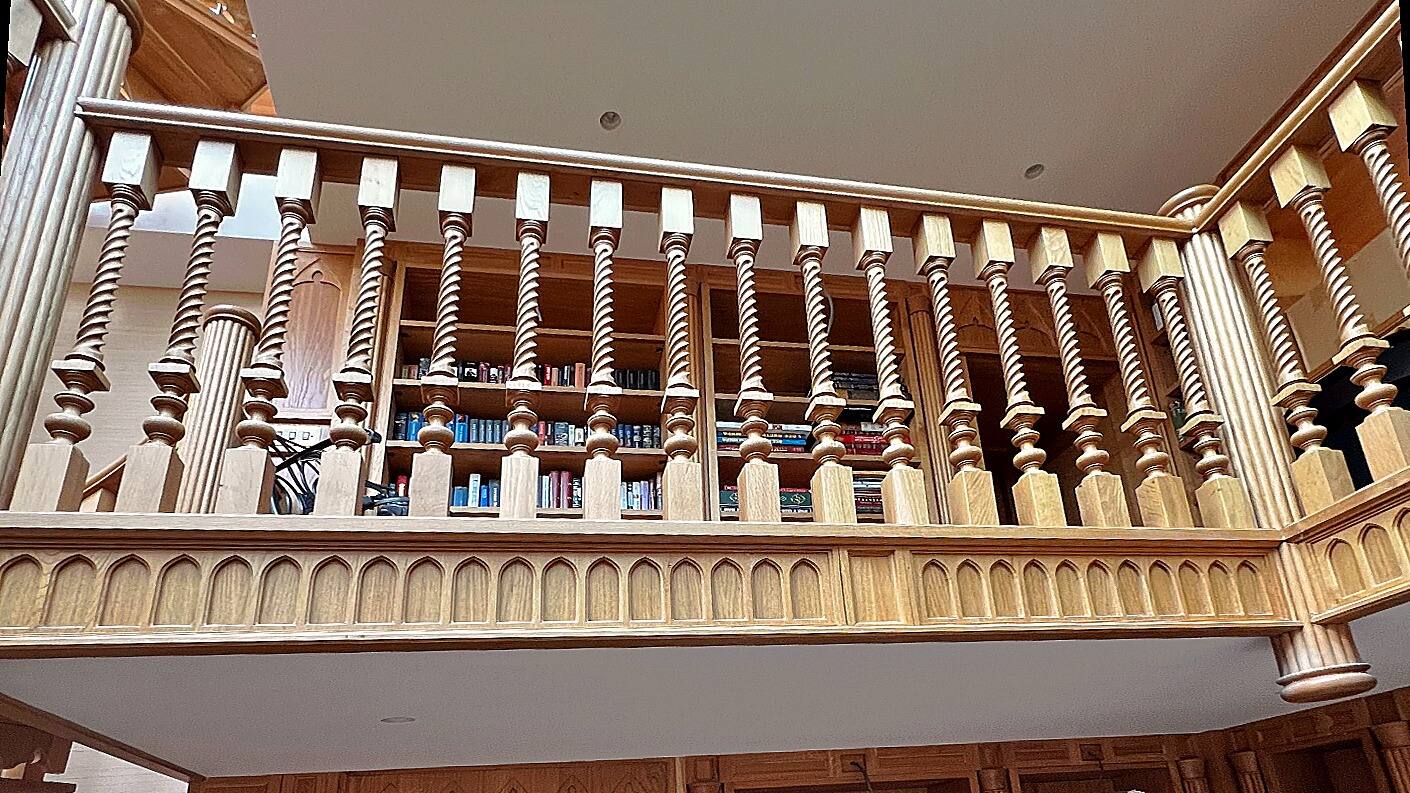
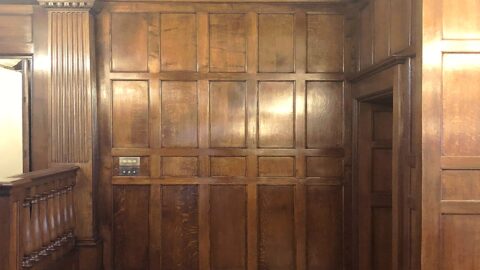
Window schedules welcome
Send us drawings, conservation officer’s notes or photos. We’ll survey and price within a week — and handle the listed-building approval if you need.
Quote a windowDownload our brochure (PDF)Bespoke window manufacturer by Reeve & Co
From our Suffolk workshop we design, make and install bespoke joinery, kitchens and furniture for high-end homes across London, the Home Counties and East Anglia. Every commission is made to measure and finished to a furniture-quality standard. To discuss bespoke window manufacturer, get in touch or explore our case studies.
Lead times
Our current lead time is around eight weeks, and most commissions are delivered within 16 to 20 weeks. Simpler pieces can be quicker. Larger programmes — whole houses, listed buildings, joinery phased around a main contractor’s build — can run for a year or more, and those we plan around the build programme rather than a single date. Send us the drawings or a schedule and we will give you a realistic date for your job.
The timbers we use for bespoke timber windows
Most of what decides how a bespoke wooden window behaves over thirty years is settled before anything is cut. These are the timbers we work in, what each one is suited to, and how each is normally finished.
- Utile, also sold as Sipo or African mahogany. This is what we use for our frames and it is the most common choice on our windows and doors. Strong, stable, consistent in grain, pinkish to reddish-brown, and usually primed and painted. Normally harvested from well-managed forests.
- Sapele. Close to mahogany, reddish-brown with a ribbon grain, naturally resistant to decay and insect attack. Normally primed and painted. It is the most economical hardwood we offer and it moves more than utile through a British weather year, which is worth knowing before you specify it on a large opening.
- Oak. Used for mullion, gothic and other period replicas, and where the timber is meant to be seen. Dense, strong and long-lived.
- Iroko. Golden to medium brown, darkening with age, resistant to decay and insects. Normally finished with an exterior oil rather than paint. We use it on larger exterior work such as driveway gates.
- Vancouver Island Douglas fir. Tight growth rings, very stable, warm reddish-brown. Normally primed and painted.
- Teak. The most durable and by some distance the most expensive, and increasingly hard to source. Finished in exterior oil. The natural oils in the timber mean it cannot be painted.
If you are unsure, say what the window has to do and where it sits, and we will tell you which of these we would put in it. There is more detail in our guide to choosing timber for exterior doors and windows.
Glazing: single, double and slim-light
We glaze in single, double or slim-light units. Double glazing in a timber window cuts heat loss in winter and heat gain in summer, reduces noise from a road or a flight path, and keeps the inner pane closer to room temperature so condensation forms less readily on the frame. None of that costs you the look of the window.
Where a conservation officer will not accept a standard sealed unit, slim-light glazing gives you most of the thermal benefit inside a sightline that reads correctly on a period elevation. We fit traditional glazing bars, and leaded or stained glass where the building calls for it. More on the trade-offs in our note on double glazing in timber windows.
Windows for listed buildings and conservation areas
A good deal of our window work is replacement on listed and locally listed buildings, where the drawing has to satisfy a conservation officer before anything reaches the bench. We build to listed-building specification, draw from photographs and survey where no original drawing exists, and our windows have been approved by conservation officers across the UK. If you need us to handle the listed-building approval, we will.
Box sash windows are built with pulleys, weights and cords, or with modern spiral balances where you would rather not have the boxes. Casements are mortice-and-tenon, draught-stripped, with brass espagnolette furniture. Both can be painted or stained.
How a window commission works
Send us a window schedule, your architect’s drawings, the conservation officer’s notes, or simply photographs of what is there now. We survey, draw and price, normally within a week. Everything is then made at our workshop at Mickfield and fitted by our own site team rather than subcontracted out, which is the part that decides whether the finished window looks like it belongs in the wall.
The same process applies whether it is one window in a cottage or a full schedule on a country house. How a commission works sets out the four stages in full.
Where we make and fit bespoke windows
Everything is made at our own workshop on Stonham Road, Mickfield, near Stowmarket in Suffolk. We fit across Suffolk, Norfolk, Essex and Cambridgeshire, and regularly in London and the Home Counties. Ipswich, Bury St Edmunds, Woodbridge, Colchester and Cambridge are all routine journeys for us; so is prime central London. You are welcome to come and see work on the bench before you commit to it.
Related: bespoke wooden doors, timber panelling, bespoke staircases and our Suffolk joinery workshop.