
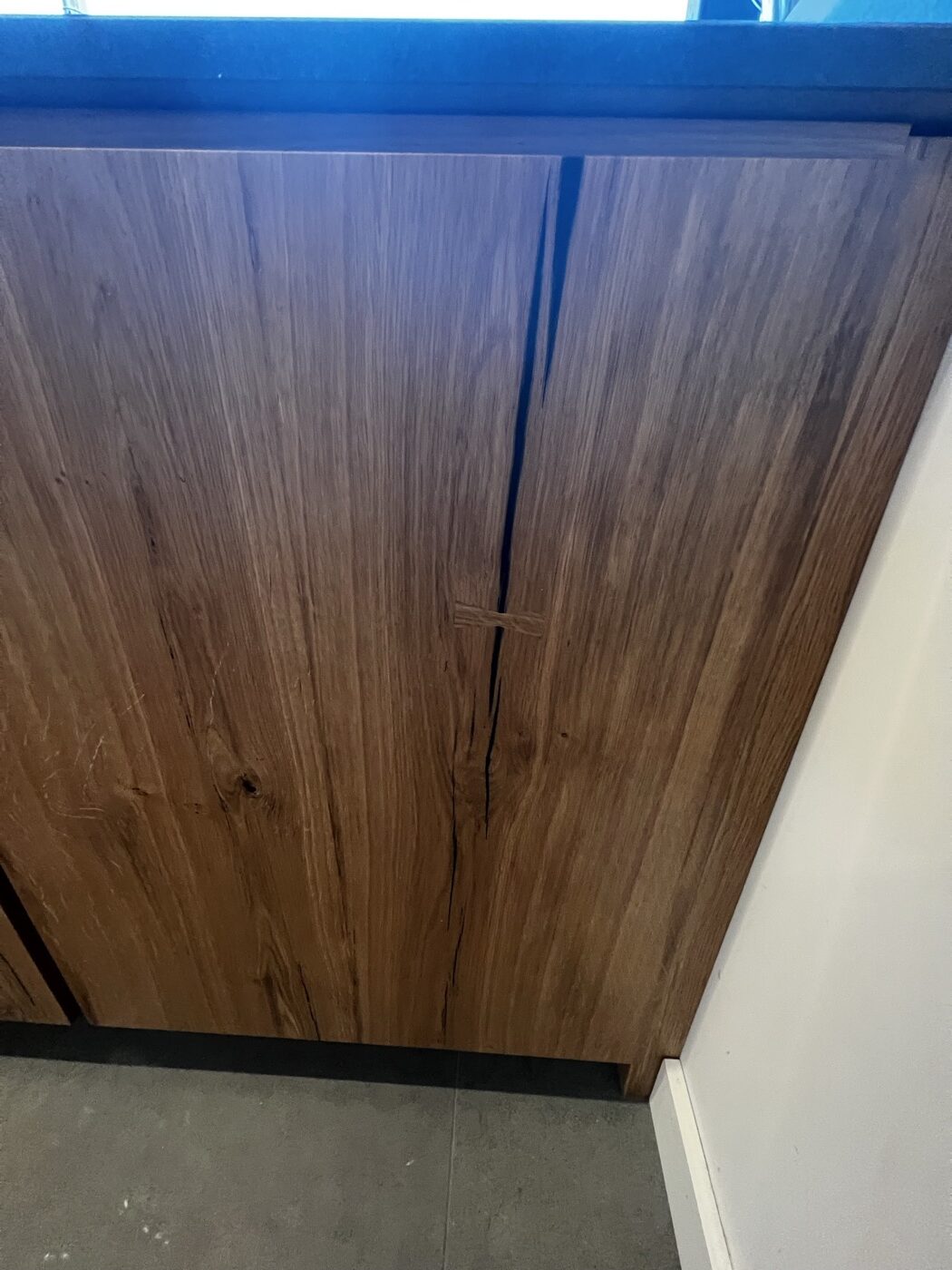
One of the first conversations we have on any commission is about timber. It sets the character of the piece, the way it will age, and a good deal of the cost. Here is how we think about choosing timber for bespoke joinery.
Oak: the dependable all-rounder
European oak is hard, stable and forgiving, with a grain that suits both traditional and contemporary work. It takes a limed, fumed or natural-oiled finish beautifully and only improves with age. For most fitted furniture and architectural joinery it is our default recommendation.
Walnut and fine veneers: for drama
Where a client wants warmth and richness — a media wall, a dressing room, a run of library bookcases — walnut is hard to beat. Working in book-matched veneers lets us run the grain across several doors so the figure flows as one. It rewards careful lighting and restrained detailing.
Painted joinery: quiet and architectural
Not everything should shout. A great deal of our work is painted, built from stable paint-grade material and hand-finished so the surface is smooth and durable. Painted joinery lets the form and proportion do the talking, and it sits comfortably alongside period mouldings.
The things that matter beyond the species
Grain selection, stability and how a timber moves with the seasons matter as much as the name on the order. We select and condition our material, build on well-made carcasses, and finish in the workshop so pieces arrive ready to install cleanly. It is the unglamorous detail that makes joinery last for decades.
See the range of timbers and finishes across our recent work, or talk to us about a commission.
If this is the sort of work you have in mind, there is more on how we approach bespoke studies, libraries and home office furniture — all of it drawn, made, hand-finished and fitted by our own people from the workshop at Mickfield in Suffolk.