
Gun Cabinet Specification
Steel over 2mm, laminated anti-bandit glass from 21.5mm, folded steel doors with anti-cut pins, five-lever mortice locks to BS 3621, and fixings anchored into masonry. Published, because the numbers are the argument.
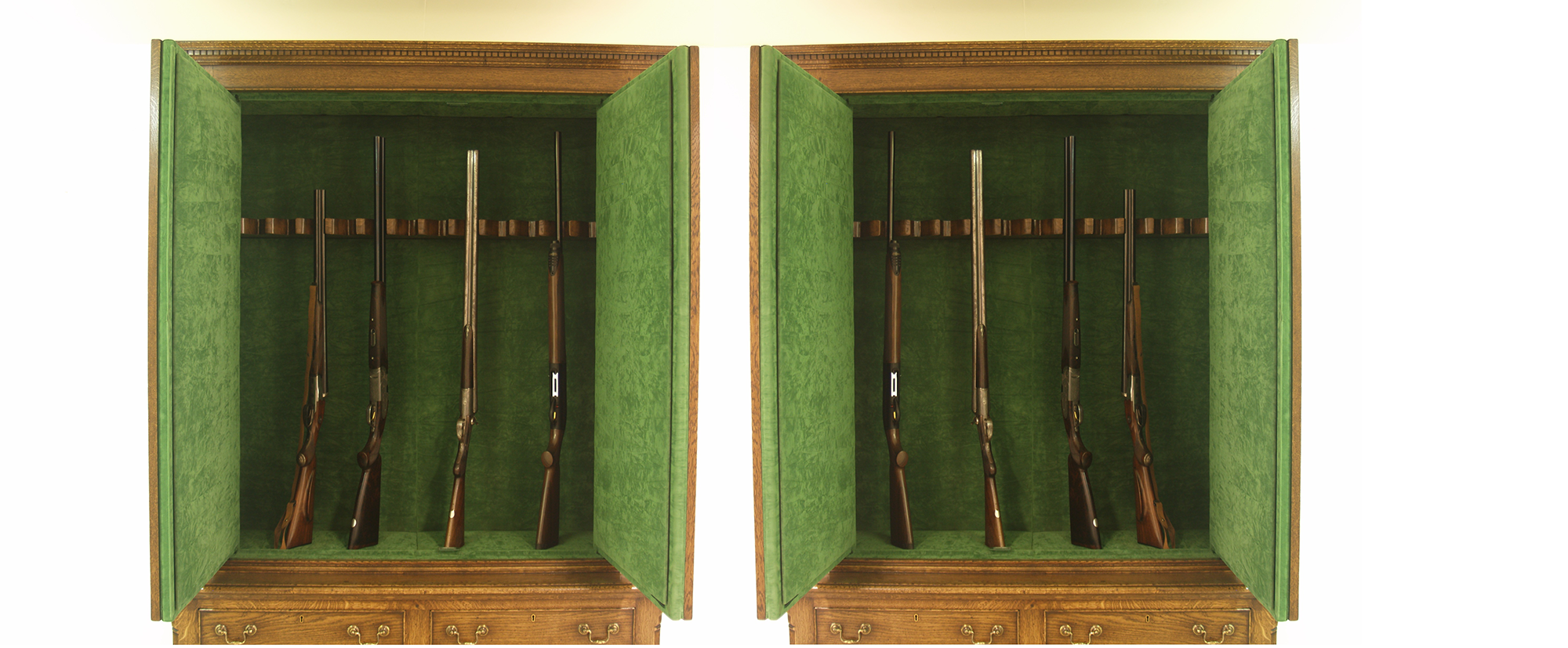
Why we publish it
Almost nobody in this category publishes a specification. Cabinets are sold in adjectives — heavy-duty, high security, premium — which are unfalsifiable and therefore worthless to you as a buyer.
We publish ours because the numbers are the only part of the argument that can be checked. If a maker will not tell you the steel thickness, there is a reason, and it is not commercial confidentiality.
Everything below goes into every cabinet we make. It is not an upgrade path, and it is a good deal more than a domestic installation is ever likely to need. The difference in cost is small and the difference in what the cabinet will survive is not.
The steel
The liner is the security. Over 2mm throughout, and folded rather than simply cut and welded — folding stiffens the panel considerably and produces a continuous edge rather than a joined one.
Doors are folded steel with anti-cut pins, so that the hinge side of the door is held by fixed steel engaged into the frame as well as by the hinges themselves. Both sides of a door matter, and a cabinet that concentrates everything on the lock side is only half made.
On larger cabinets we use driven boltwork, so that a single turn of the key throws bolts along the full height of the opening rather than engaging at one point. On a tall door that is a meaningful difference.
The locks
Five-lever mortice locks to BS 3621 — the same standard specified for final exit doors on a domestic property, and the benchmark most insurers work to.
BS 3621 is a real, testable standard rather than a marketing claim, which is precisely why we quote it. If you are comparing cabinets, ask any maker for the lock model and its standard. It is a fair question and a quick one to answer.
Keys are worth a word. No lock helps if the key lives on a hook beside the cabinet. Keys should be kept separately and securely, well away from the cabinet itself.
The fixings, which matter most
A cabinet is only as secure as what it is bolted to. This is the most overlooked part of gun storage and the part that most determines whether the rest of it counts.
We anchor into masonry wherever the structure allows, at specified centres. Fixings into plasterboard are worth very little, and a cabinet standing free on a floor is not secure storage however well it is made.
Where a wall will not take a masonry anchor we say so at the drawing stage and design around it, rather than discovering it on installation day. That occasionally means relocating the cabinet to a different wall, and it is far better to know in advance.
It is also why we deliver and install every cabinet ourselves. That is not a service upgrade. It is the part of the job everything else depends on.
What you get on completion
Every cabinet leaves with a signed specification sheet: steel thickness, glass specification, lock model and its BS number, fixing type and centres.
It exists so your firearms enquiry officer can verify what has actually been built rather than take our word for it, and so you have a document for your insurer. Keep it with your certificate.
Before manufacture, we agree that specification with your FEO in writing. It costs a phone call, and it turns the home visit into a confirmation rather than a negotiation.
Construction detail
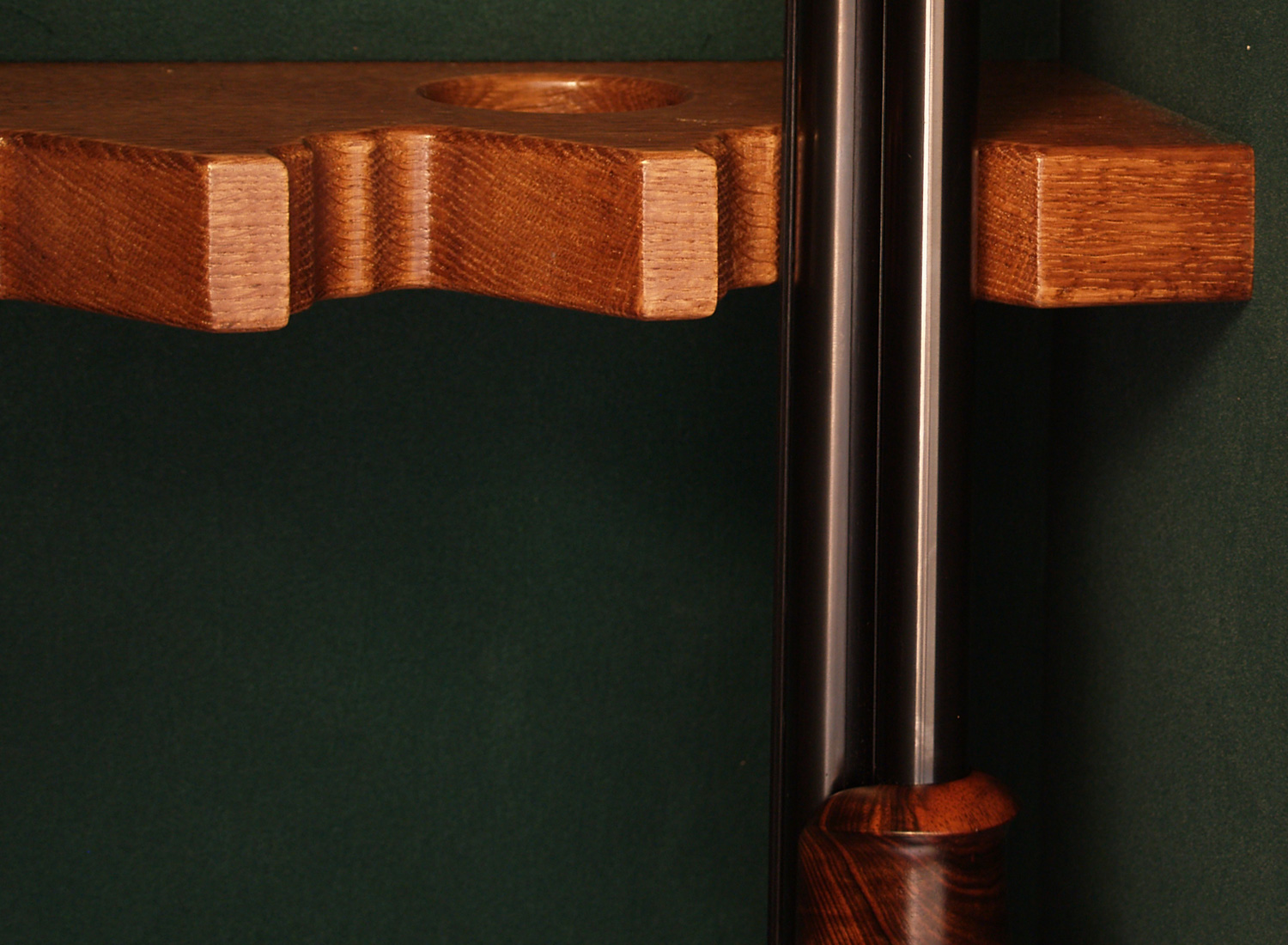
The rack
Set out so no two guns touch, and drawn for scoped rifles.
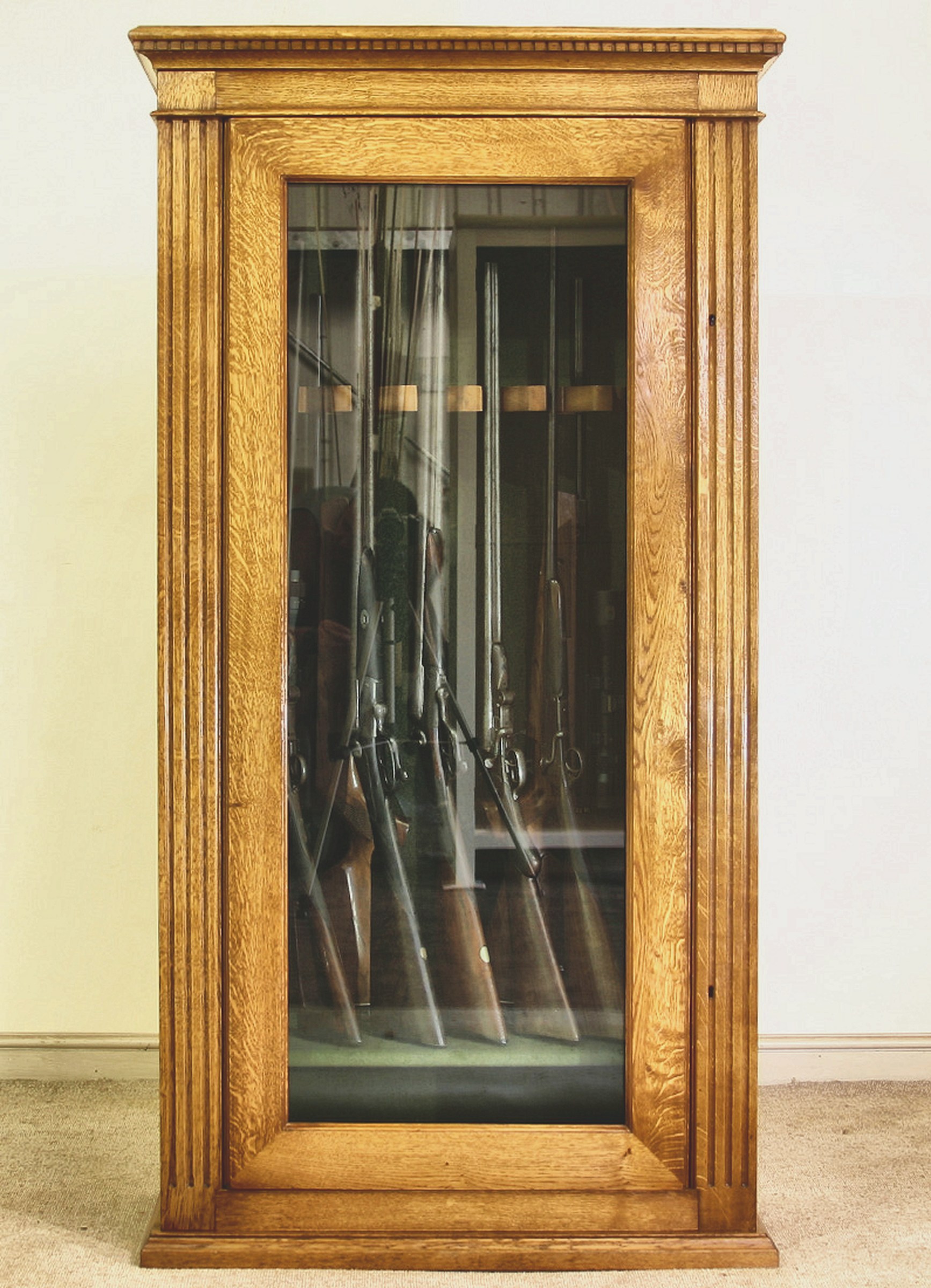
Glazed doors
Laminated anti-bandit glass, 21.5mm and above, in folded steel doors.
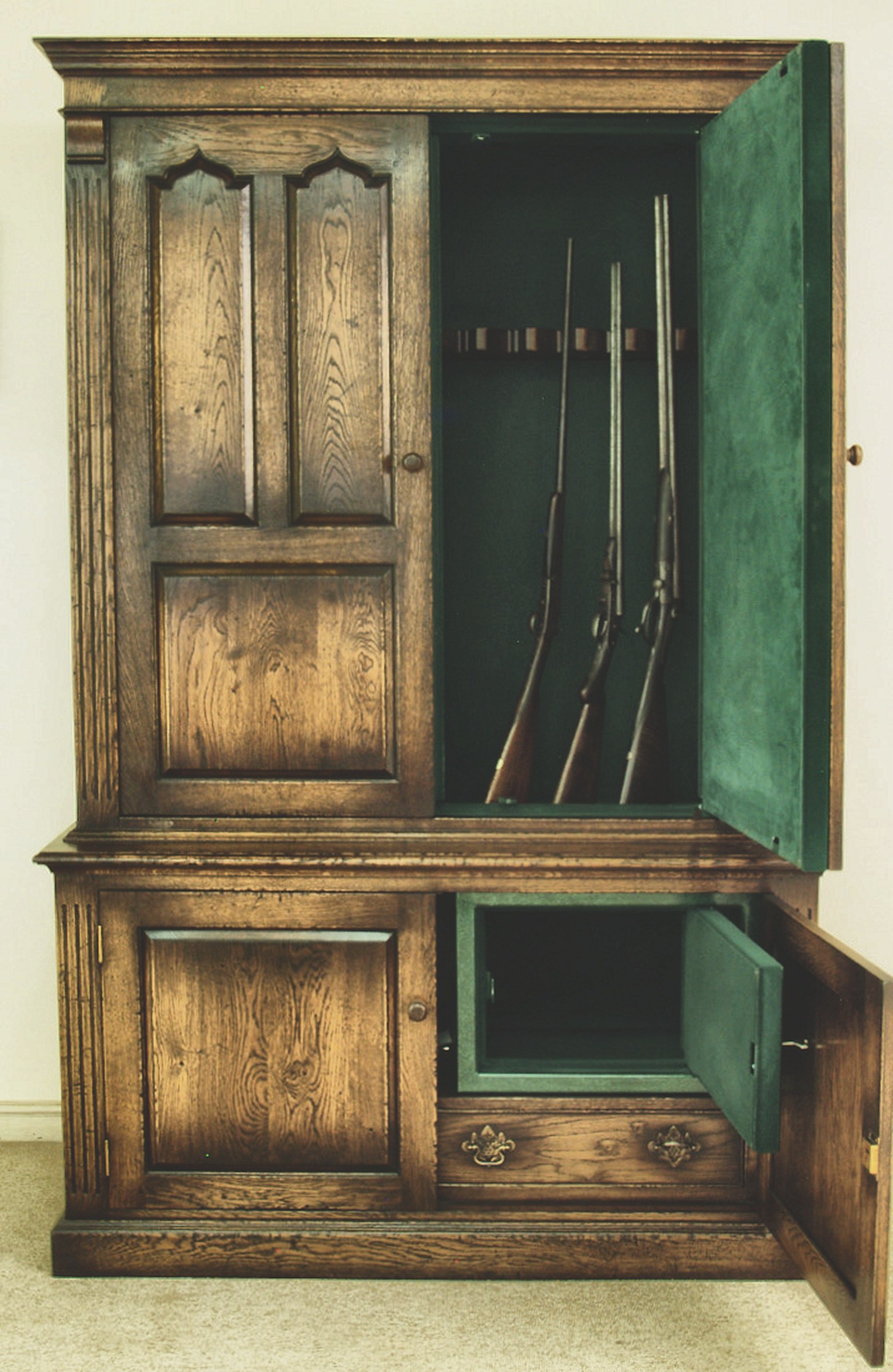
Separate ammunition storage
Its own lock and its own steel, where the certificate requires it.
Questions we are asked
Is 2mm steel a legal requirement?
No. There is no statutory minimum thickness. The figure is widely cited because it appeared in BS 7558, which BSI withdrew in November 2025. We build above it as a matter of standard, not because a rule compels us to.
What is BS 3621?
The British Standard for thief-resistant mortice locks, most commonly specified for final exit doors on houses. It is a tested standard and the benchmark most insurers recognise.
Can you build to a higher specification?
Yes. Where a collection or a location warrants it we specify certified components — a rated cabinet, a certified door assembly, driven boltwork, alarm integration — bought in and passed through with the manufacturer certification in their name rather than ours. We do not self-certify security.
Will this pass my FEO inspection?
Nobody can promise that, and you should be wary of anyone who does. Adequacy is assessed at your address, taking account of the guns, the property and its location. What we do is agree the specification with your FEO before we build, which removes the guesswork.
All gun cabinets
The overview: what we make, what it costs and how a commission runs.
The specification
Steel, anti-bandit glass, locks and fixings, in full.
What the rules actually say
No law requires a gun cabinet. What the Firearms Rules do require.
Send us your gun list
Send us your gun list and a photograph of the room, and we will come back with a drawing and a price. From £7,000 plus VAT, delivered and installed anywhere in the UK.
Start a commissionFurther reading: gun room security, and what the rules actually say. Responsibility for the security condition on your certificate rests with you as the certificate holder, and the adequacy of any storage arrangement is a matter for your local police firearms licensing department.